What are food sensitivities, and how are they different from food allergies?
In This Article
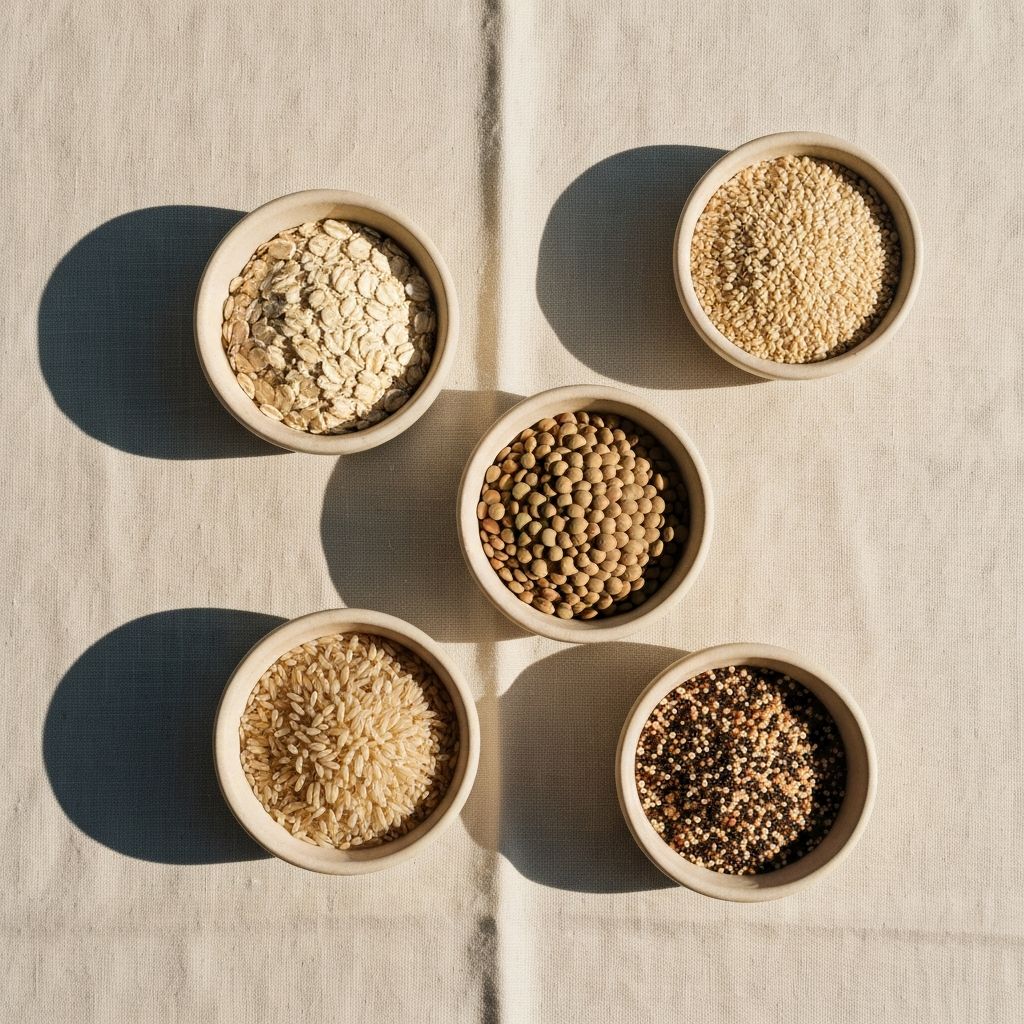
Food sensitivities and food allergies sound similar but involve different parts of the immune system and produce different patterns. Allergies are IgE-mediated, immediate (within minutes to two hours), often dramatic, and can be life-threatening (anaphylaxis). Sensitivities are non-IgE reactions whose immune mechanisms are less well defined; they are delayed (often 24 to 72 hours after consumption), more subtle, and cumulative over time. The delayed response makes self-identification very difficult; the offending food was eaten days before the symptoms appeared. This is part of why food sensitivities so often go unrecognized, and why patients can spend years feeling unwell from foods they eat regularly without ever connecting the two.
What's the actual difference between sensitivities and allergies?
The difference is the immune pathway and the timing: allergies are IgE reactions that arrive within minutes to two hours and can be dangerous, while sensitivities are non-IgE reactions that arrive hours to days later and build up rather than strike at once. The two involve different immune mechanisms:
- IgE-mediated allergies trigger immediate histamine release, hives, swelling, breathing problems, and potentially anaphylaxis. They're tested with skin prick tests and IgE blood panels. Examples: peanut allergy, shellfish allergy
- Non-IgE sensitivities produce delayed, subtler, cumulative symptoms, and their immune mechanisms are less well defined. Blood IgG panels are offered as a way to detect them, but IgG antibodies to a food mainly show that the food has been eaten and tolerated, which is why allergy and immunology bodies do not recommend these panels for diagnosis [PMID: 22835332]
- IgA-mediated reactions involve mucosal immunity, often presenting as gut symptoms
Allergies are absolute in most cases (avoiding the food entirely is the answer). Sensitivities are often related to gut barrier function and can resolve when the underlying gut dysfunction is addressed.
What symptoms does food sensitivity actually cause?
Food sensitivities cause delayed, diffuse symptoms: bloating and irregular bowels, fatigue, brain fog, joint aches, skin flares, headaches and mood changes, often a day or more after the food was eaten. Common symptoms of food sensitivities, often delayed 24-72 hours after the offending food:
- Digestive: bloating, gas, abdominal discomfort, irregular bowel patterns
- Energy: fatigue, post-meal energy crashes
- Cognitive: brain fog, difficulty concentrating
- Joints and muscles: joint pain, muscle aches
- Skin: acne, eczema, hives, rashes
- Head: headaches, migraines, sinus congestion
- Mood: mood changes, irritability, anxiety
- Other: chronic post-nasal drip, dark under-eye circles, persistent inflammation markers
The wide symptom range reflects that immune activation in the gut affects systems throughout the body. The delayed timing is what makes self-identification so difficult.
What are the most common trigger foods?
The most common triggers seen in clinical practice are gluten, dairy, eggs, corn, soy, nightshades and the additives in ultra-processed foods. Common triggers in clinical practice:
- Gluten (wheat, barley, rye)
- Dairy (especially the protein casein)
- Eggs (particularly egg whites)
- Corn
- Soy
- Nightshades (tomatoes, peppers, eggplant, white potatoes)
- Specific additives in ultra-processed foods (food dyes, emulsifiers, certain preservatives)
Individual reactions vary; almost any food can be a trigger for someone, and triggers can change over time as gut barrier function changes.
Why do food sensitivities develop in the first place?
The underlying mechanism in most cases: increased intestinal permeability. When the gut lining is compromised, partially digested food proteins enter the bloodstream and trigger an immune response. The food itself isn't the root problem. The gut lining integrity is.
This is why sensitivities can develop to foods someone has eaten without issue for years. As gut barrier function changes (from antibiotics, stress, illness, dietary changes, or aging), the immune system encounters food proteins it shouldn't be seeing in circulation, and learns to react to them.
This is also why sensitivities can resolve when gut healing addresses the underlying permeability. The food isn't the permanent problem; the leaky barrier is.
What testing is available, and which approach is best?
The best approach is a supervised elimination diet with systematic reintroduction, guided by a careful food and symptom history; blood tests exist, but the IgG panels sold for sensitivities are not validated for diagnosis, and IgE testing is for true allergy. Several testing approaches:
- IgG food sensitivity panels. Measure IgG antibodies to a wide range of foods. The antibodies they detect are a normal immune response to eating a food, and the IgG4 type in particular tracks exposure and tolerance rather than reaction [PMID: 18489614]. The European, Canadian and American allergy academies have stated that these panels are not validated for diagnosing food allergy or intolerance, and that healthy people commonly test positive to foods they eat often [PMID: 22835332]. A physician reads one as a record of what someone eats, not as a list of foods to remove
- Mediator release testing (MRT). Measures inflammatory mediator release from white blood cells exposed to specific foods. Used by some functional medicine practitioners
- Elimination diet with systematic reintroduction. The gold standard. Remove suspected triggers for 3 to 6 weeks, allow symptoms to resolve, then reintroduce one food at a time and observe response. Time-intensive but highly informative
- Skin prick testing. Useful for IgE allergies, not sensitivities
The elimination diet, properly conducted, is considered the most reliable method for identifying food sensitivities. IgG panels are not a diagnostic, and the professional guidance is not to use them to choose which foods to remove; what physicians rely on instead is a careful food and symptom history, a supervised elimination and reintroduction, and validated IgE testing when the history suggests a true allergy.
What is histamine intolerance?
Histamine intolerance is a related but distinct condition where the body can't efficiently break down dietary histamine. Symptoms include:
- Bloating and abdominal symptoms
- Headaches and migraines
- Hives, flushing, skin reactions
- Anxiety, racing heart
- Sleep disruption
- Nasal congestion
It's driven by impaired DAO (diamine oxidase) enzyme activity. Trigger foods are histamine-containing or histamine-releasing foods: aged cheeses, fermented foods, wine, cured meats, leftovers, certain fish, citrus, tomatoes, and others.
Histamine intolerance often co-occurs with SIBO and gut dysfunction. Treating the underlying gut issue often improves histamine tolerance.
How does gluten relate to autoimmunity?
Gluten is linked to autoimmunity most clearly through celiac disease, which is itself an autoimmune reaction to gluten, and possibly through molecular mimicry, where its proteins resemble human tissue closely enough to confuse the immune system in susceptible people. The relationship between gluten and autoimmunity is clinically important. Molecular mimicry (where food proteins resemble human tissues closely enough to confuse the immune system) can trigger or worsen autoimmune conditions.
The gluten-Hashimoto's relationship is the best-studied example. Gluten avoidance often improves Hashimoto's disease activity in sensitive individuals. Similar relationships exist for other foods and autoimmune conditions, though the evidence varies.
Celiac disease is distinct from food sensitivity. It's an autoimmune condition triggered by gluten that requires lifelong avoidance. Testing involves tissue transglutaminase antibodies and confirmatory biopsy. Anyone with chronic GI symptoms, autoimmune conditions, or family history should be screened for celiac before starting a gluten-free diet (because going gluten-free first invalidates the testing).
Non-celiac gluten sensitivity is distinct from celiac. It can cause significant symptoms without the intestinal damage celiac produces, and can sometimes resolve with gut healing in patients who don't have celiac.
What's the right treatment goal?
The goal isn't lifelong avoidance for most foods. The goal is:
- Identify triggers through testing or elimination
- Remove triggers temporarily to reduce immune activation
- Address underlying gut permeability through diet, supplements, and addressing other drivers (stress, infections, dysbiosis)
- Systematically reintroduce foods to restore tolerance over time
Permanent restriction of dozens of foods is neither necessary nor desirable; it deprives the microbiome of dietary diversity and worsens long-term health.
The exception is true food allergies (IgE-mediated) and conditions like celiac disease, where lifelong avoidance is appropriate.
How should an IgG food sensitivity panel be read?
As a record of exposure, not as a list of foods to avoid. The foods that score highest on an IgG panel are usually the ones a person eats most often, because IgG antibodies form in response to repeated contact with a food protein, and the IgG4 type rises further as the immune system learns to tolerate a food [PMID: 18489614]. Wheat, dairy and egg at the top of the sheet is the expected pattern for anyone whose breakfast contains all three, and healthy adults and children with no food symptoms at all commonly test positive on these panels [PMID: 22835332].
The allergy and immunology academies in Europe, Canada and the United States have said the same thing in their position statements: food-specific IgG and IgG4 results do not diagnose food allergy or intolerance [PMID: 22835332]. Their concern is practical. A long list of reactive foods tends to become a long list of restrictions, which narrows the diet without addressing whatever was driving the symptoms, and a true IgE allergy can be missed because the food responsible may not show a high IgG level at all.
What a physician does with a panel someone has already run is read it against the history rather than act on it directly. The useful questions are which symptoms are present, how they track with meals, whether anything suggests a true allergy, and whether the picture fits a condition with its own reliable test, such as celiac disease, lactose intolerance or bacterial overgrowth. Hives, swelling or trouble breathing within minutes to two hours of a food points to a possible IgE allergy, which is confirmed with validated allergy testing; trouble breathing after eating calls for 911 or the nearest emergency department. When a sensitivity is still suspected after that review, the reliable tool is a supervised elimination of a small number of foods with planned reintroduction, judged on symptoms.
Someone who ordered a panel was looking for answers, and the panel does hold one: it shows what the immune system has been exposed to, not what it is reacting to. Read that way, a page of high scores is reassuring rather than alarming, and the real work moves to the history, the elimination trial and the gut barrier itself.
The deeper picture
Food sensitivities are real and clinically meaningful, but the path forward isn't permanent restriction. The path is identifying triggers, healing the underlying gut dysfunction, and restoring tolerance over time. This requires comprehensive evaluation of gut function, not just food testing in isolation. Extend approaches food sensitivities as part of broader gut-immune assessment.

Dr. Christina Paul
Dr. Christina Paul is a board-certified internal medicine physician practicing precision and longevity medicine. She founded Extend Medical for people who want to feel and function at their best, and to move past managing symptoms into how optimal actually feels.
Learn more about Dr. Paul and her background →